


Five Types of Sadaqah Jariyah You May Not Know About
As Muslims, we often hear about sadaqah—the act of giving to others. But did you know there are different kinds of sadaqah, some of which are wajibah (compulsory)? Today, let’s talk about five important types of sadaqah wajibah that every Muslim should understand. These acts are not just charity; they are duties that bring us closer to Allah and help our community.
1. Sadaqah Fitr: Sharing Joy at Eid
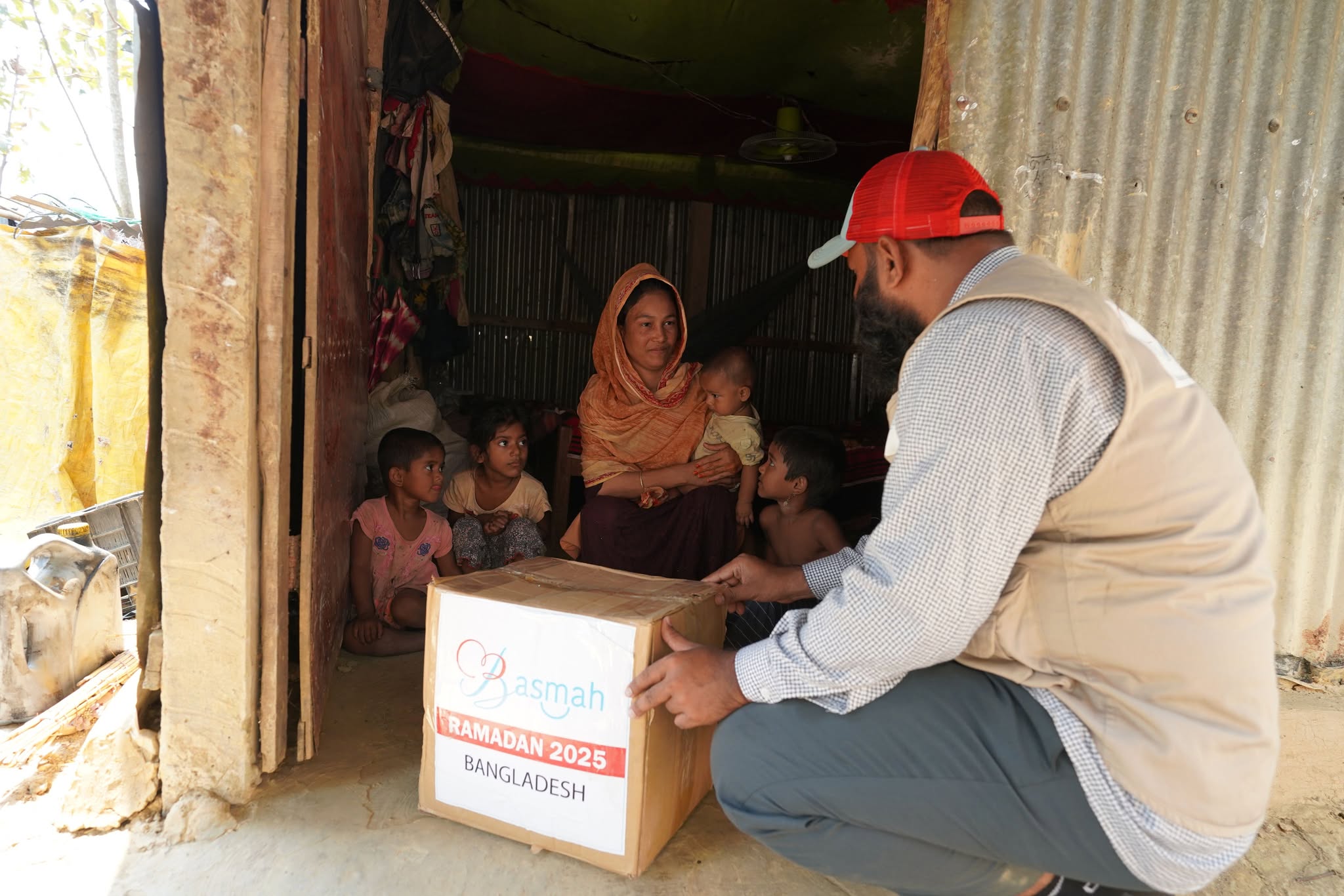
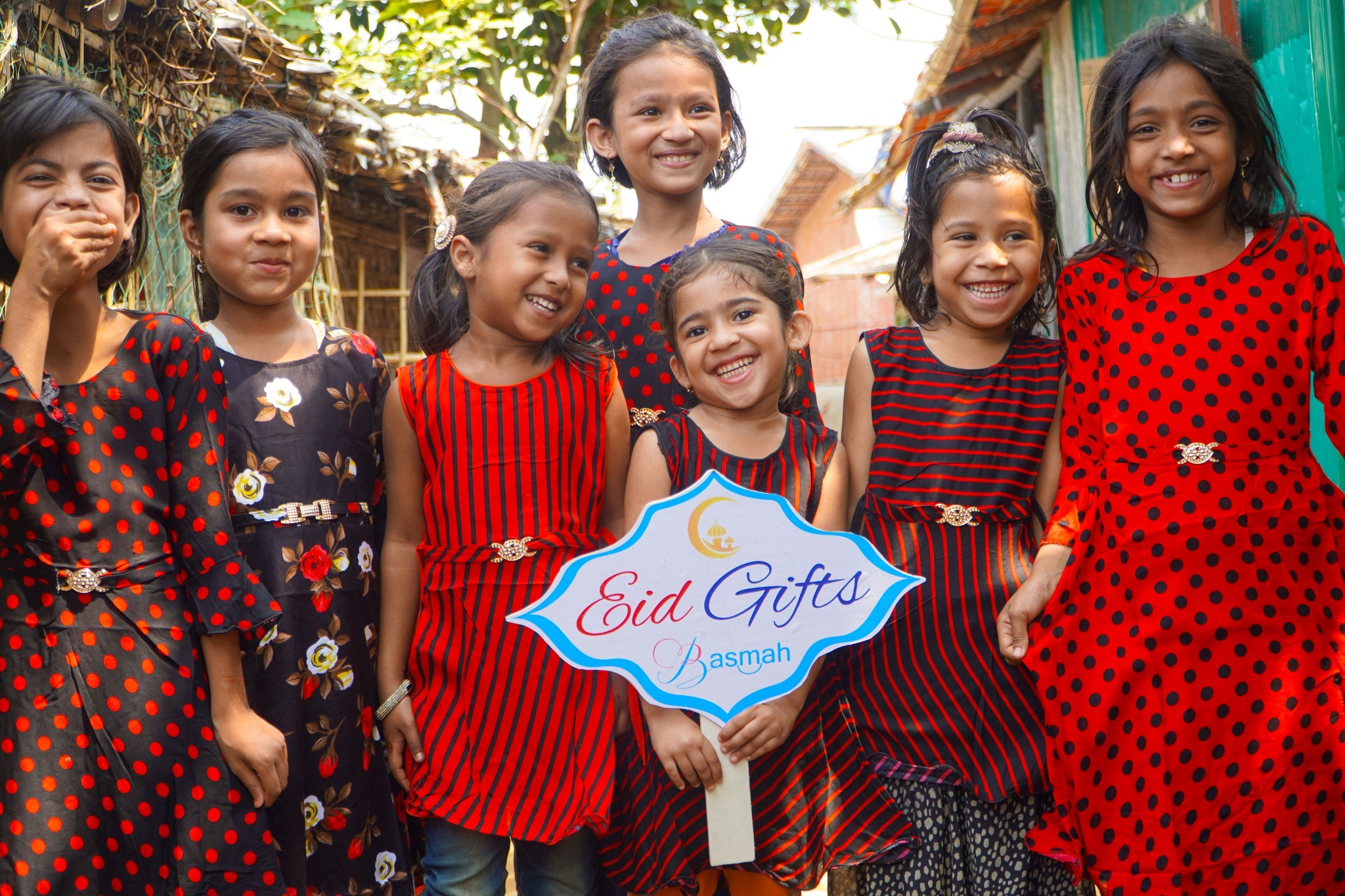
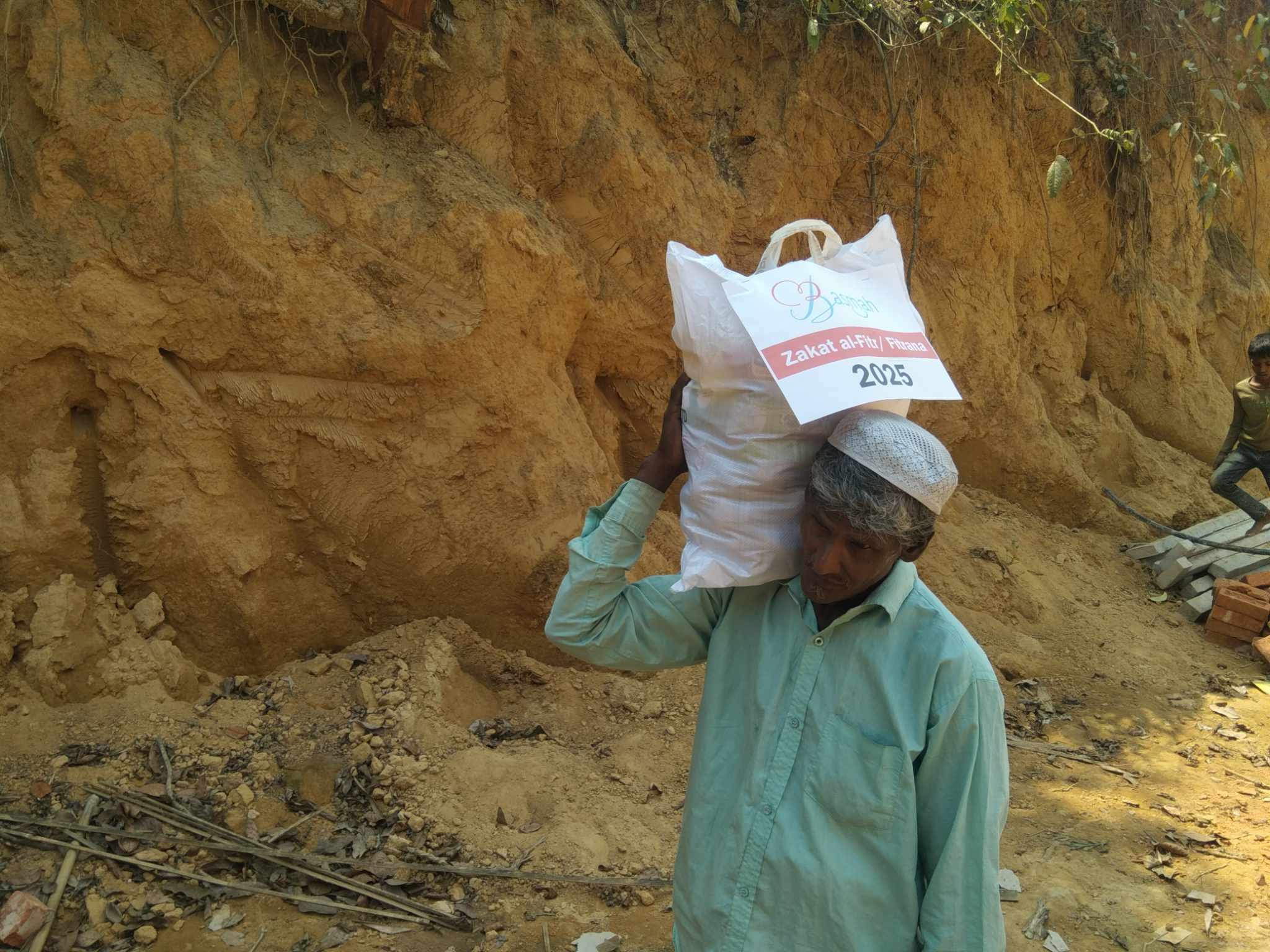
Before we pray on the day of Eid ul-Fitr, every Muslim must give sadaqah fitr. This is so everyone, rich or poor, can celebrate Eid happily. It’s best to give it a few days before Eid to make sure no one misses out on the joy. Usually, the head of the family pays it for everyone, but the amount is counted for each person. Imagine it as a way to clear your fast and share your happiness with those in need.
2. Fidyah: Making Up When You Can’t Fast
Sometimes, illness or old age stops us from fasting during Ramadan. Or maybe you made a small mistake during Hajj. In these cases, Allah tells us to pay fidyah—feeding a poor person as a way to make up for what we missed. The amount is usually about 1.6kg of wheat or its value. It’s a way to keep our hearts clean and fulfill our duties even when we can’t fast.
3. Nadhr: Keeping Your Promise to Allah
Have you ever made a promise to Allah? Like saying, “If I pass my exams, I will give money to help others”? This promise is called nadhr. If Allah helps you, you must keep your word and give that sadaqah. But if you can’t, there are other ways to make up for it. It’s important to take your promises seriously because Allah watches over our intentions and actions.
4. Kaffarah: Fixing Mistakes
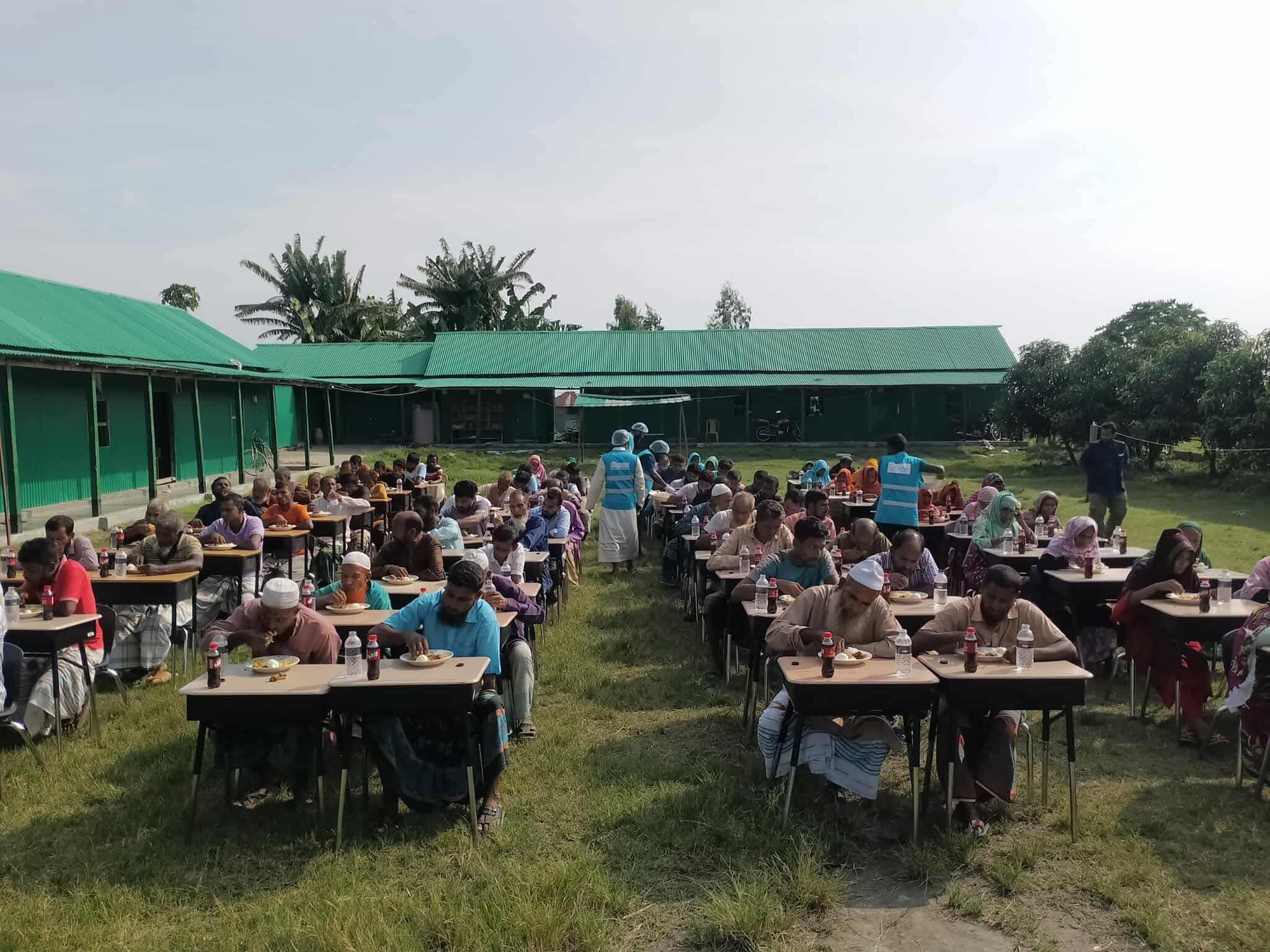
If someone breaks their fast on purpose during Ramadan without a good reason, or breaks an oath, they need to pay kaffarah. This means making things right again. The Prophet Muhammad (peace be upon him) told a man who broke his fast that he should either free a slave, fast for 60 days straight, or feed 60 poor people. If you can’t do one, you do the other. It’s a way to show that you are sorry and want to fix your mistake.
Imam Siraj Wahhaj
Honorary advisor of BASMAH
5. Udhiyyah: The Sacrifice of Faith
During Eid al-Adha, Muslims who have enough wealth (nisab) must perform udhiyyah—sacrificing an animal like a goat, sheep, or cow. This act reminds us of Prophet Ibrahim’s willingness to sacrifice for Allah. The meat is divided into three parts: one for your family, one for friends and relatives, and one for those who are poor. Allah says that it’s not the meat or blood that He wants, but our taqwa—our sincerity and faith.
Why These Sadaqahs Matter Today
After the challenges we’ve faced worldwide, the need for sadaqah wajibah is greater than ever. These acts help heal our communities and bring us closer to Allah. Remember, it’s not about how much you give, but the purity of your intention. Even a small act of sadaqah given with a sincere heart can bring great reward in this life and in Jannah.
Let’s keep our hearts open and our hands ready to give, knowing that every act of sadaqah is a step toward Allah’s mercy and blessings.
Related Posts
The Differences between Zakat Al Mal and Zakat Al Fitr
The Differences between Zakat Al Mal and Zakat Al Fitr Donate The Differences between Zakat Al Mal and Zakat Al
Long-Term Social Implications of the Zakat System
Long-Term Social Implications of the Zakat System Donate Long-Term Social Implications of the Zakat System Long-Term Social Implications of the
How Zakat Cleanses Your Income and Brings Blessings
How Zakat Cleanses Your Income and Brings Blessings Donate How Zakat Cleanses Your Income and Brings Blessings How Zakat Cleanses
Understanding Zakat
Understanding Zakat Donate Understanding Zakat What is Zakat? Who can I pay my Zakat to? What is Nisab? Why do
“The Significance of Zakat in Islam: Purification, Social Welfare, and Attaining Allah’s Pleasure”
"The Significance of Zakat in Islam: Purification, Social Welfare, and Attaining Allah's Pleasure" Donate "The Significance of Zakat in Islam: